
About Simple Electric
Simple Electric handles service requests by first gathering details over the phone about the electrical issue. Our technicians then visit the property, examine the wiring and components involved, and share clear findings with the homeowner before any work begins. After repairs they restore the area and verify the system operates as expected.
Questions about a job? Start on the Simple Electric homepage or call (833) 990-0417.
Clear Explanations
Technicians point out actual wire or breaker issues and describe them using the symptoms already noticed by the homeowner.
Safe Work Practices
Power is confirmed off at the panel before any inspection or repair begins and rechecked before leaving.
Tidy Job Sites
All debris and tools are removed so the space looks unchanged except for the fixed electrical items.
Follow Up Checks
Operation of outlets and breakers is demonstrated before departure so homeowners know everything works.
Taking the Initial Call
When a homeowner contacts Simple Electric the team asks targeted questions about the symptoms noticed such as flickering lights tripped breakers or warm outlets. These details help decide which tools and parts might be needed for the visit. The conversation also covers safe steps the homeowner can take right away like turning off power at the main panel if there is any burning smell.
Notes from the call are recorded so the technician arrives with a plan rather than starting from scratch. This approach avoids unnecessary delays once on site. Homeowners are told what to expect during the inspection so they can prepare access to panels or outlets ahead of time.
Approaching the Job Site
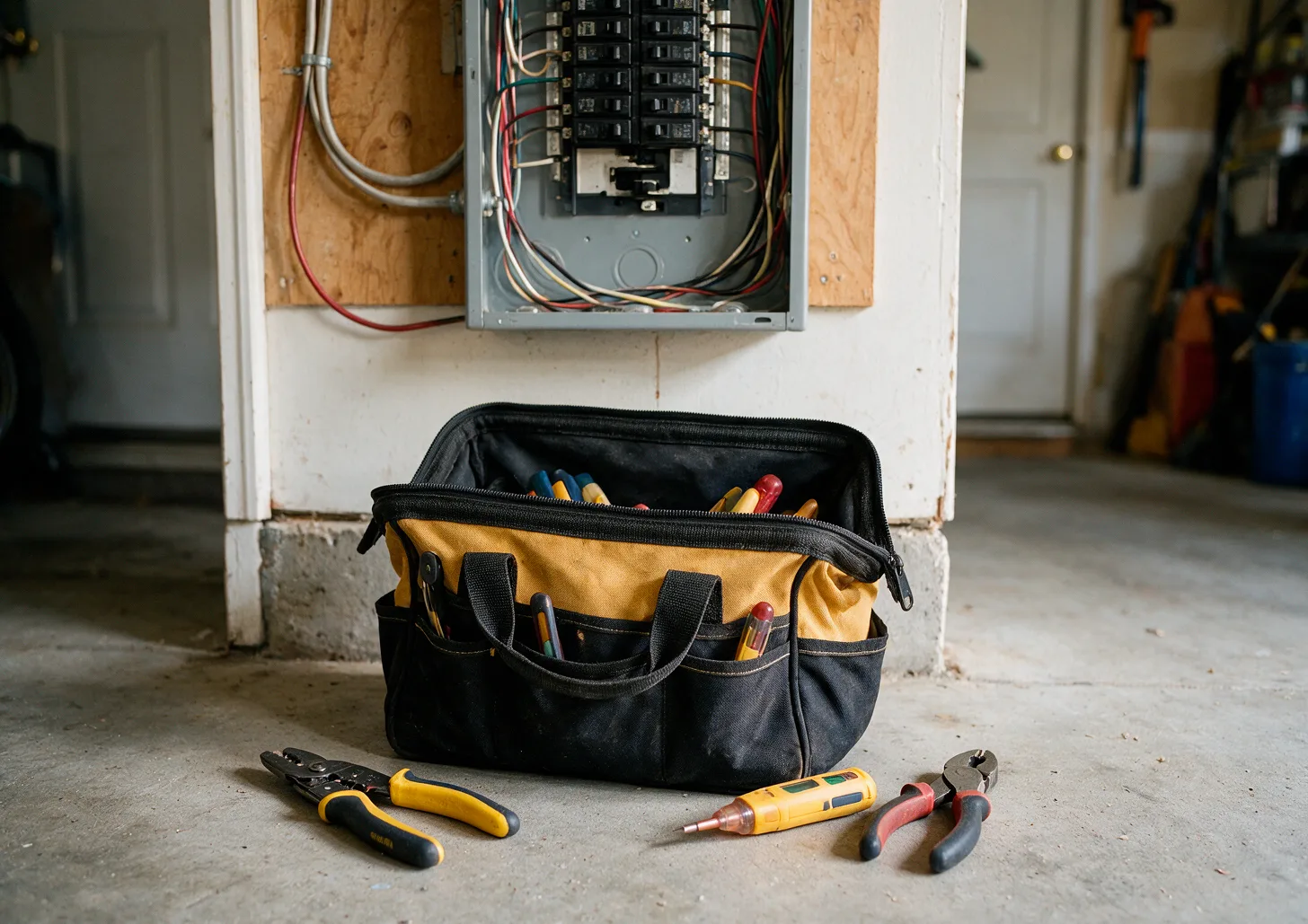
Our technicians arrive with a multimeter voltage tester and basic hand tools suited for residential electrical work. They begin by confirming power is off at the affected circuit and then visually inspect wiring insulation junction boxes and connections for signs of wear or overheating. This order prevents accidental energizing of damaged sections during testing.
Any homeowner present can watch the process and ask questions as readings are taken. The technician notes voltage levels at outlets and checks for proper grounding before moving to the panel. Findings are recorded on a simple form that stays with the job paperwork.
Explaining What Is Found
After testing the technician shows the homeowner any loose connections damaged wire or overloaded circuits using the actual parts or a quick diagram drawn on site. Each problem is described in terms of what the homeowner has already noticed such as lights dimming when appliances start. Options for repair are listed without pressure so the owner can choose next steps.
If a dedicated circuit or panel upgrade appears necessary the reasons are tied directly to measured load and existing wire size. Homeowners receive a written summary of the inspection that they can review before approving any changes.
Completing and Clearing the Work
Once repairs finish the technician restores power and retests every outlet switch and breaker involved. All removed cover plates are replaced and debris from wire scraps or old hardware is collected in a shop vac. The work surface is wiped so no dust or markings remain on floors or walls.
Before leaving the technician demonstrates normal operation of the repaired items and answers any remaining questions about routine checks the homeowner can perform later such as monthly smoke detector button tests. The area is left ready for daily use.