Skip to content
Electrical Repair & Licensed Electrician across the USA(833) 990-0417
A modern home with its lights on at dusk

Electrician · the USA

Electrical Repair & Licensed Electrician in the USA

Simple Electric sends technicians to homes across the USA for panel changes, outlet work, lighting installs, wiring fixes, and circuit additions that match the load the home actually uses.

Call (833) 990-0417 See services

Clear Testing First

Technicians check voltage at the panel and outlets before any wire is touched so the source of the problem shows up right away.

Load Checks Done

We measure amperage on each circuit to see if the wire size matches the breaker rating and the appliances now running on it.

Neat Finish Work

Covers go back on straight, wires stay labeled, and the panel directory gets updated so the next person knows which breaker controls what.

Services We Provide

Simple Electric handles everyday electrical tasks that keep power steady and safe. Each job starts with a check of the existing wiring and load so the fix matches what the home needs right now.

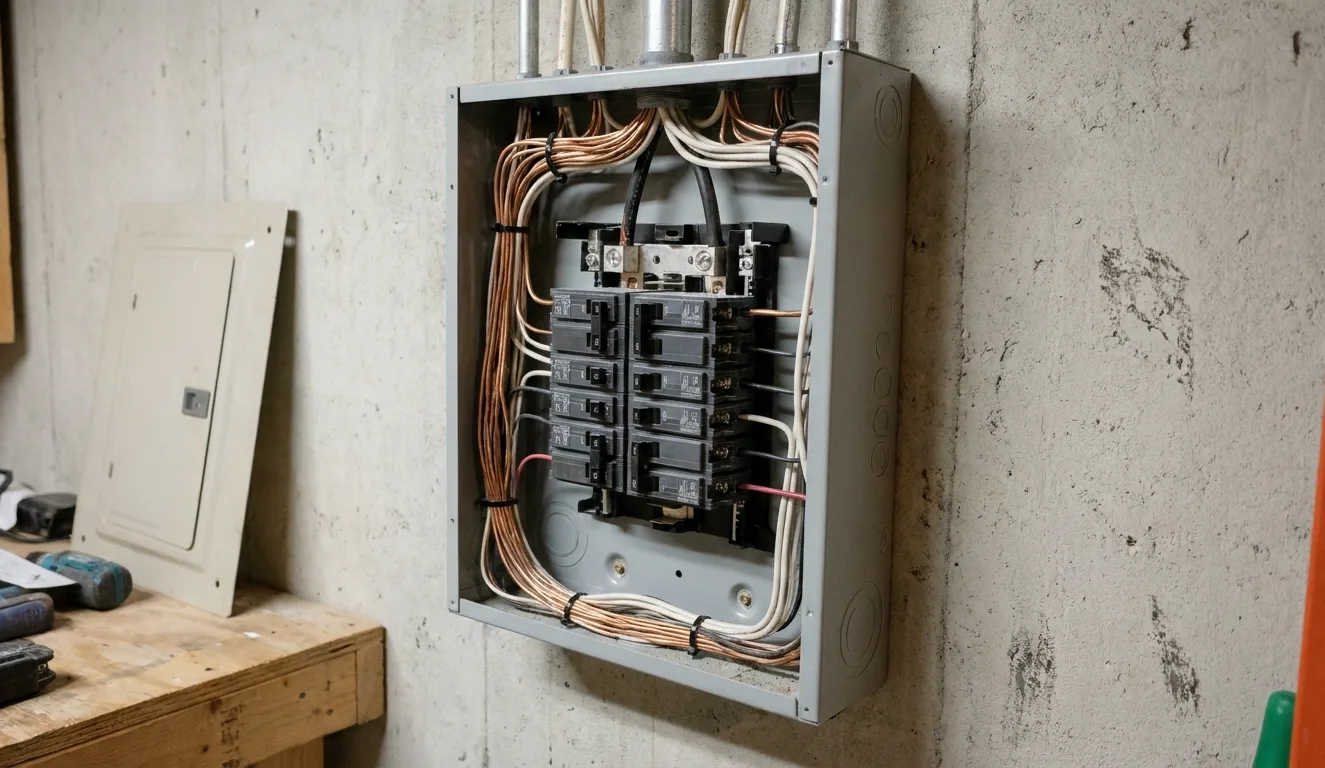
A new neatly wired panel01

Electrical Panel Upgrades

Technicians open the panel and check bus bar condition, breaker fit, and available space before adding new circuits or replacing the whole panel. They verify torque on every lug and update the directory so each breaker stays labeled correctly.

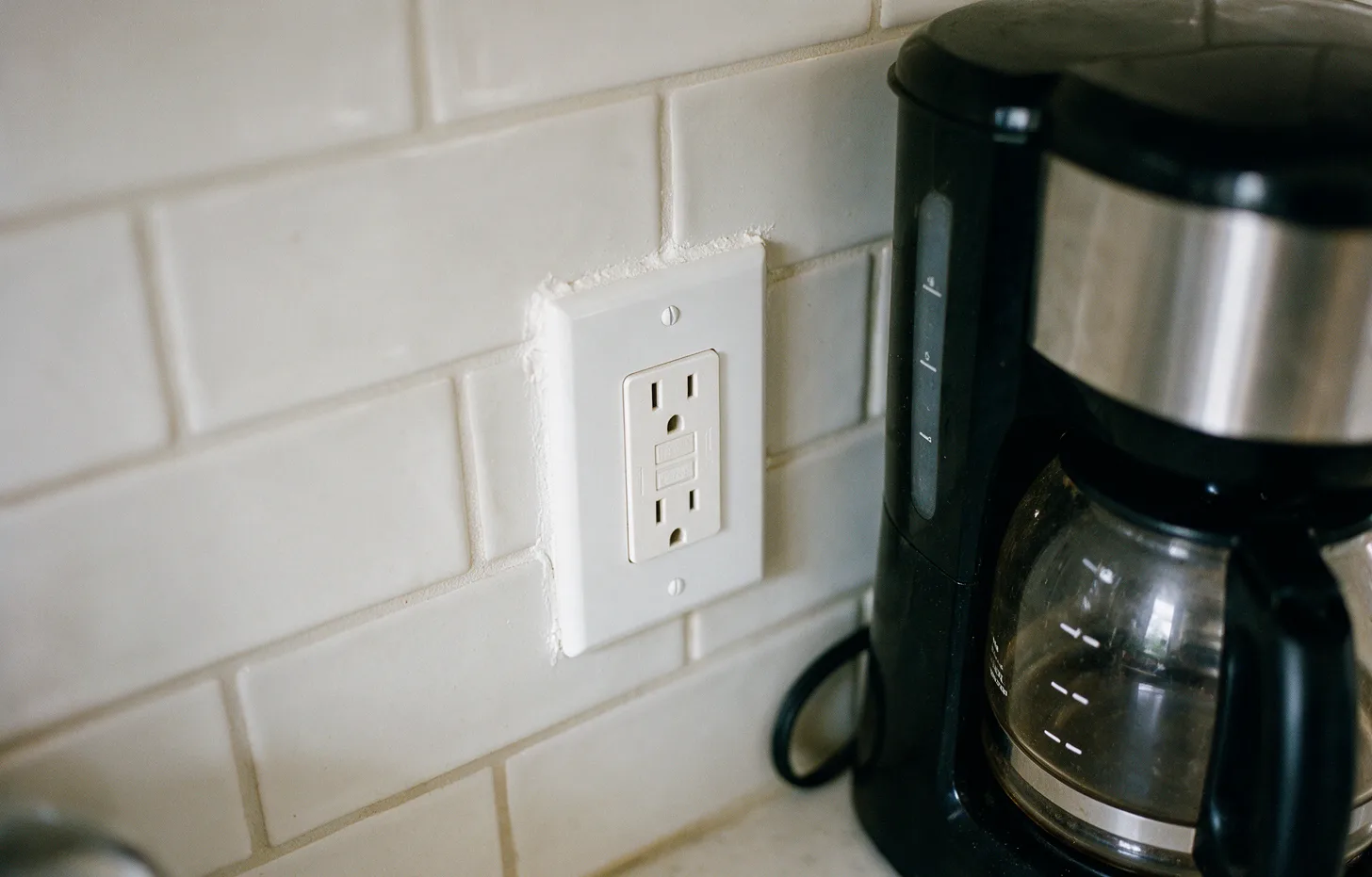
A new outlet in a kitchen backsplash02

Outlet Installation

New outlets get wired with the correct gauge wire and proper grounding. Technicians test for back-stabs, loose terminals, and shared neutrals that can cause flickering or tripped breakers when several loads run together.

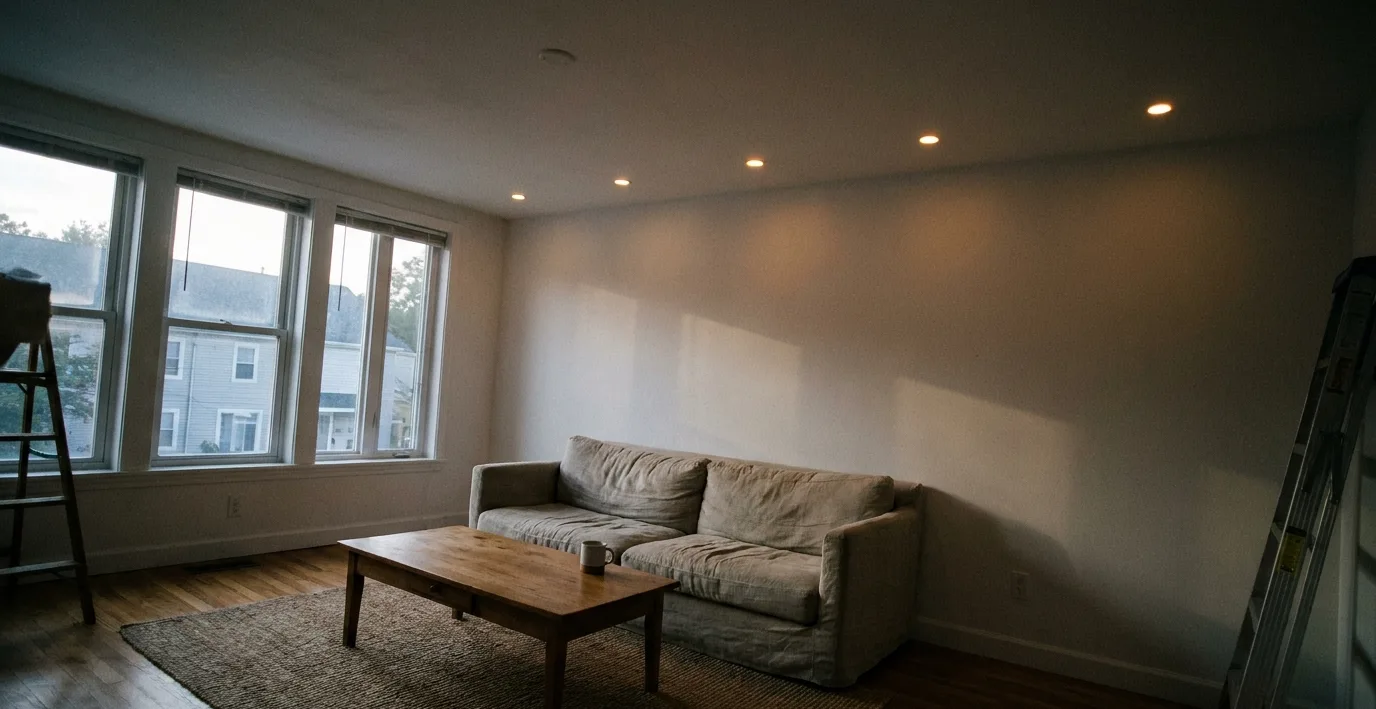
New recessed lights in a ceiling03

Recessed Lighting

Fixtures are placed between joists after checking insulation depth and can light rating. Wiring runs in protective cable and connects to a switch leg that matches the room layout without overloading the circuit.

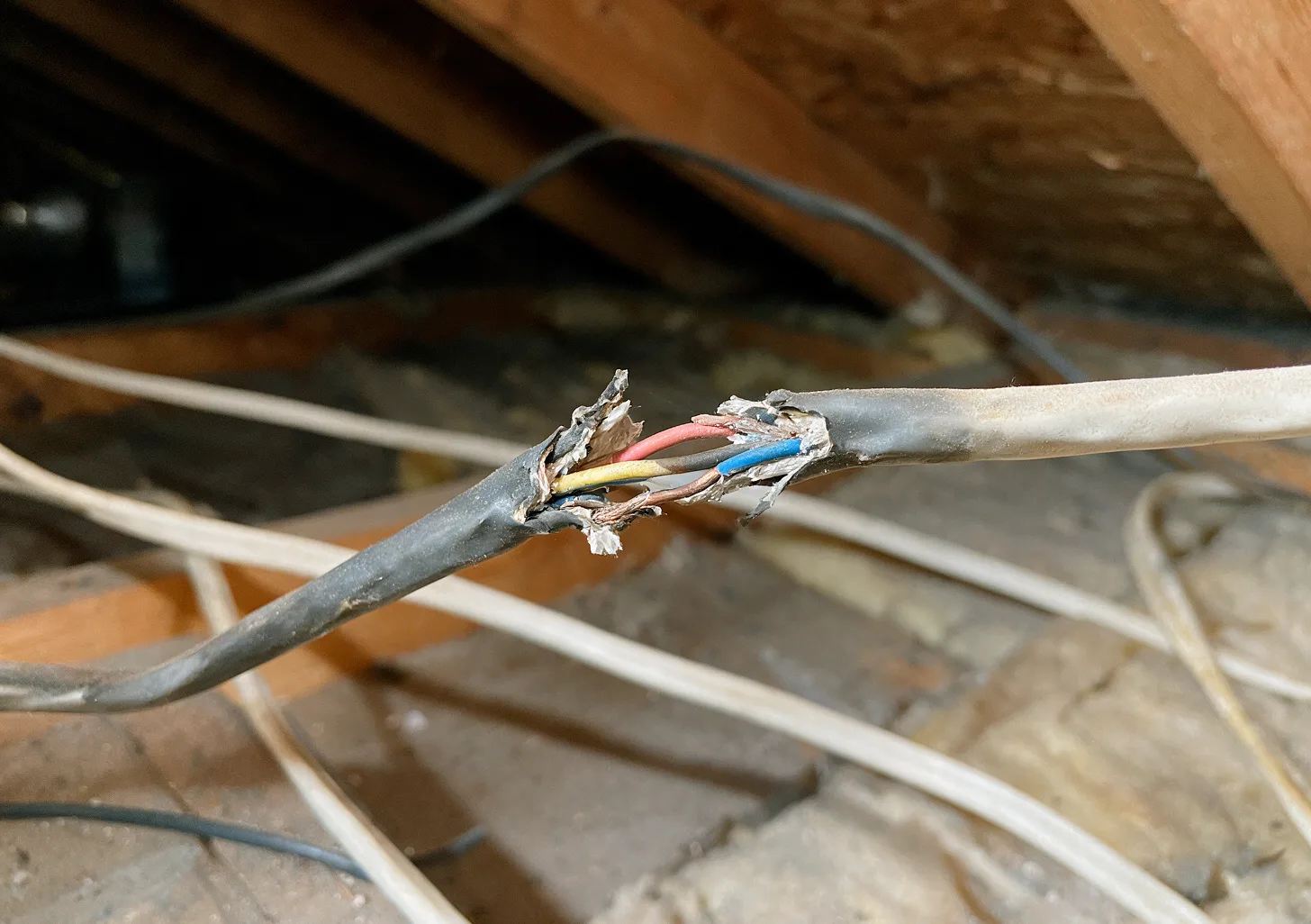
A damaged wire in an attic04

Wiring Repair

Damaged sections are cut out and spliced with the same wire type and gauge. Junction boxes stay accessible and every connection gets twisted and capped before the wall is closed so future checks stay simple.

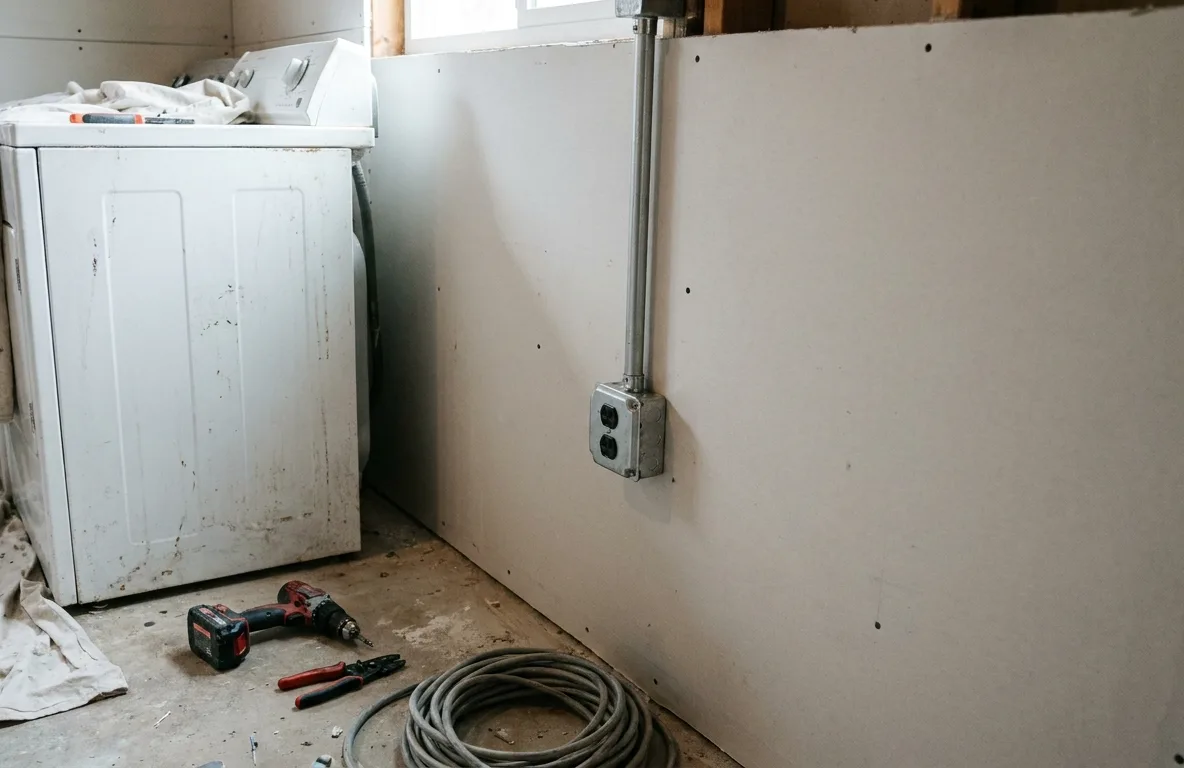
A new dryer outlet05

Dedicated Circuit Installation

A new run goes straight from the panel to one appliance. The breaker size matches the nameplate amperage and the wire stays in its own conduit or cable so other outlets never share the load.

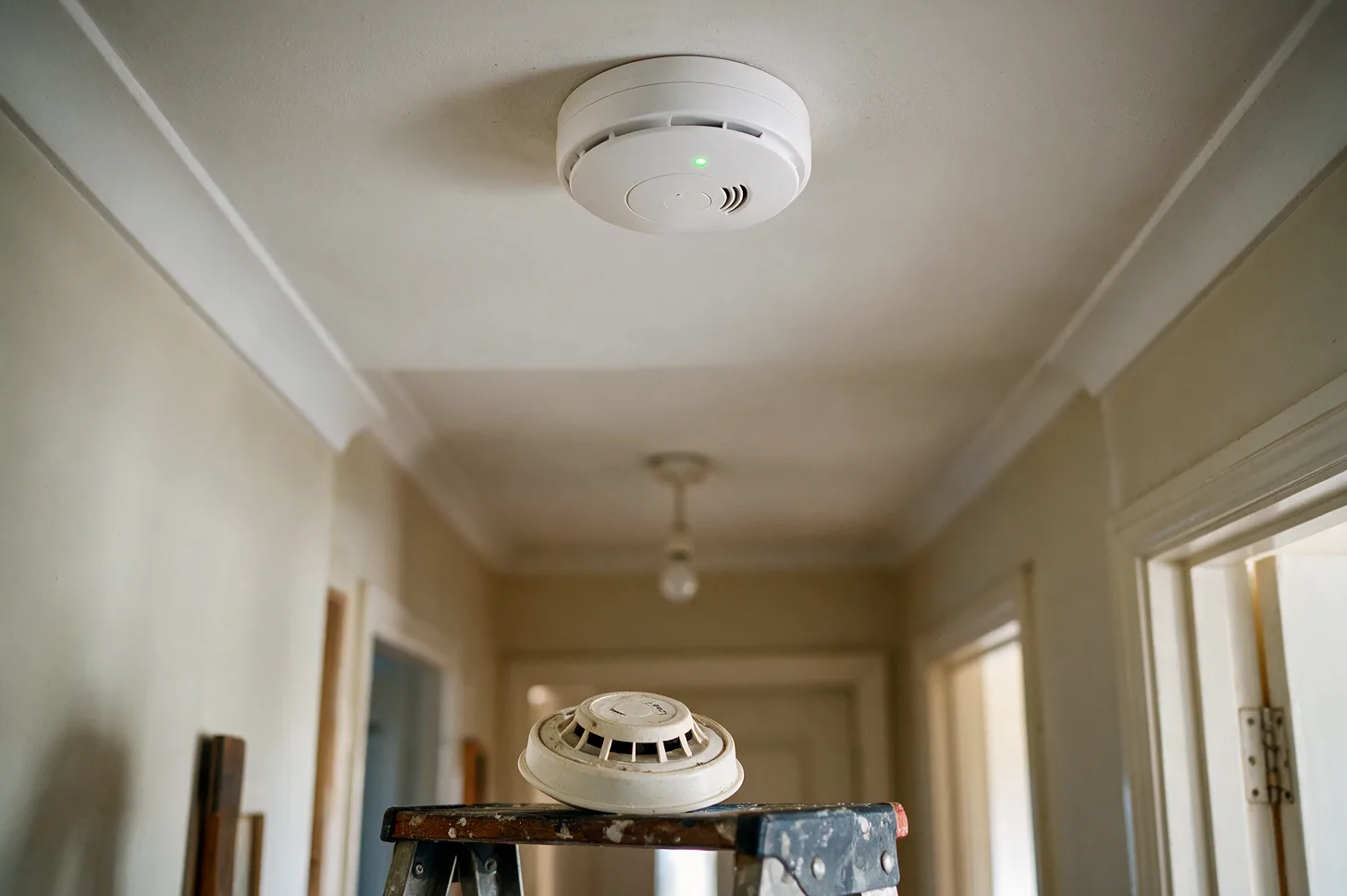
A ceiling smoke alarm06

Smoke Detector Installation

Units mount on the ceiling with interconnect wiring so every detector sounds together. Technicians check battery backup and test the circuit before leaving so the system works even if power drops.

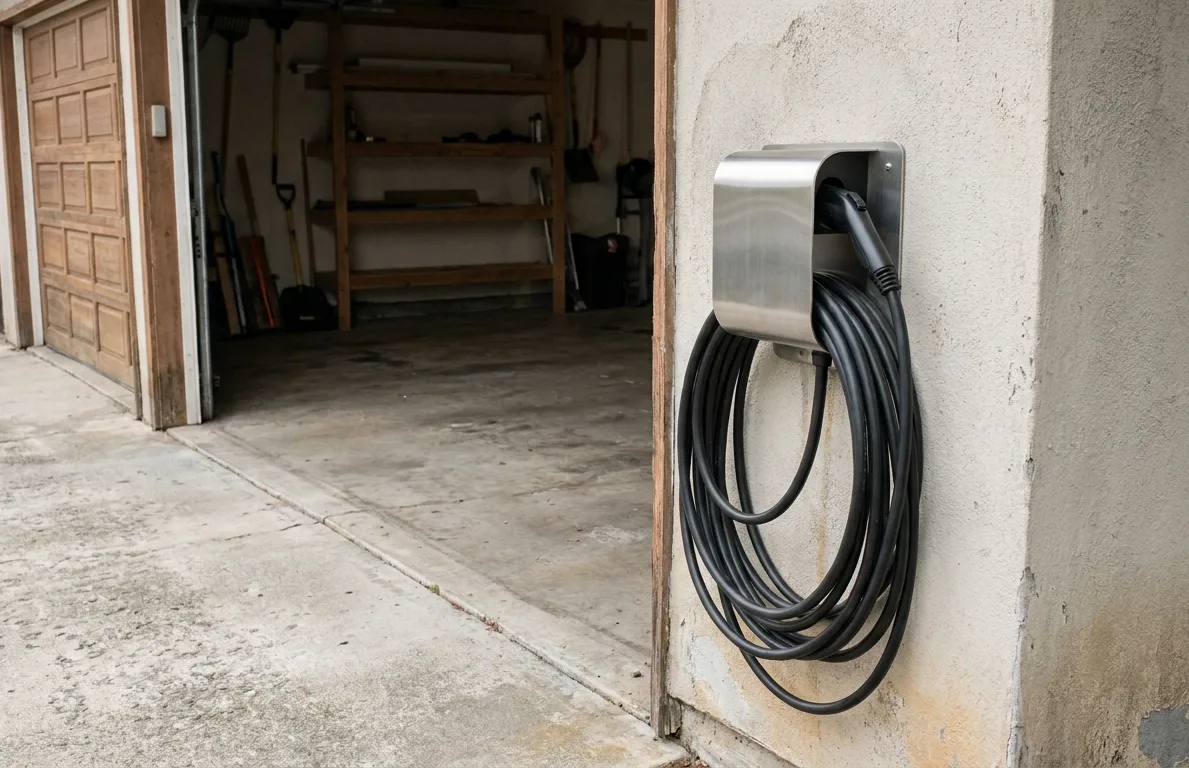
A charger on a garage wall07

EV Charger Installation

A dedicated circuit sized for the charger amperage runs from the panel. The technician confirms the service can handle the added load and mounts the unit at the correct height and distance from the vehicle spot.

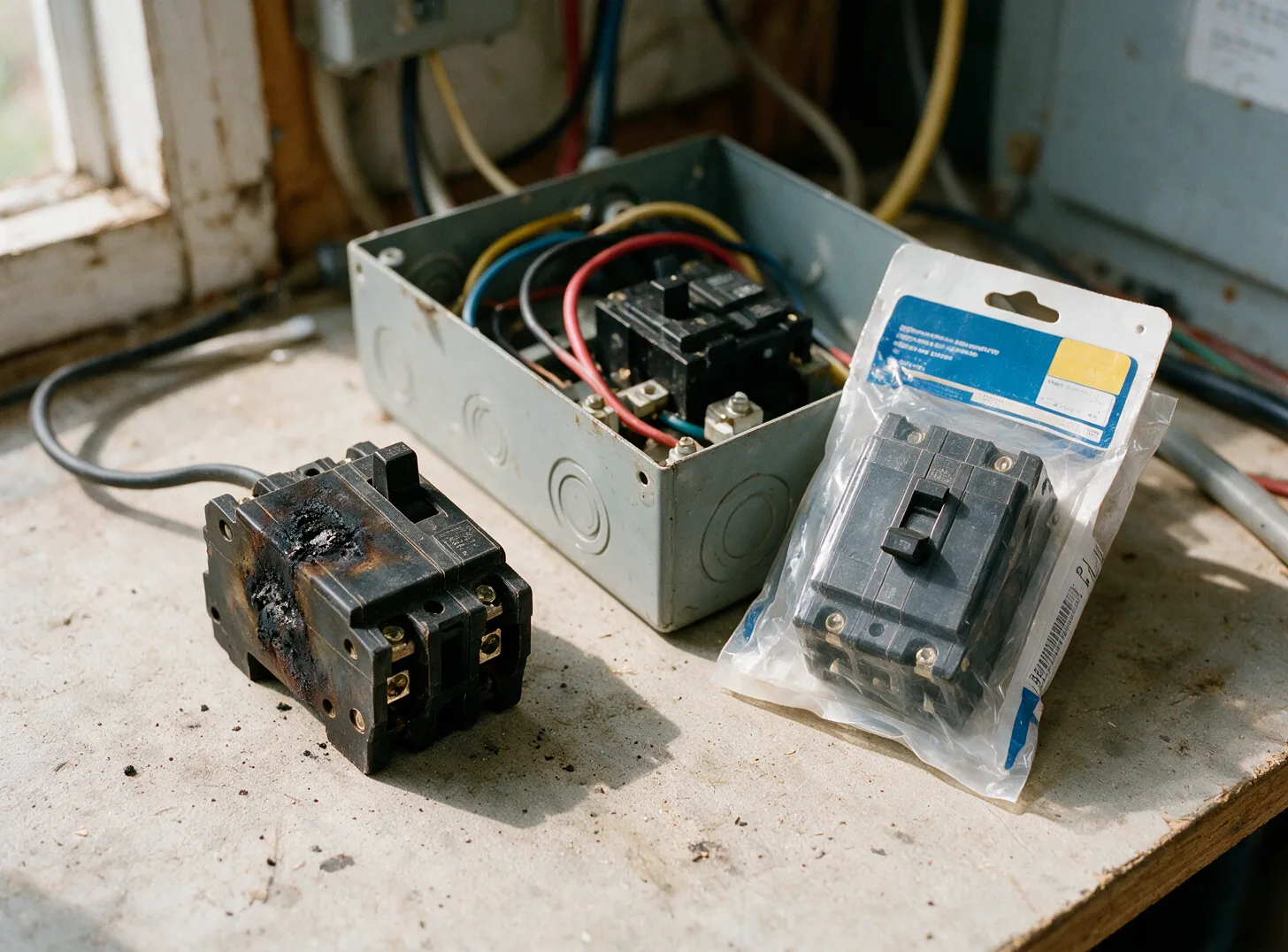
A burnt breaker removed from a panel08

Breaker Replacement

The old breaker comes out after power is off at the main. The new one snaps in and gets torqued to spec, then the technician checks voltage on both legs so the circuit returns to normal operation.

Spotting When Help Is Needed

Homeowners notice lights that dim when an appliance starts, outlets that feel warm, or breakers that trip more than once. These signs point to a circuit carrying more current than its wire can handle safely. Simple Electric technicians look for these clues first and then open the panel to confirm the exact cause before any repair begins.

Burn marks around an outlet or a burning smell near the panel also mean the connections have loosened over time. A quick voltage check at several points shows whether the problem sits in the wiring, the breaker, or the device itself. Once the source is clear the repair can be planned without guessing.

First Steps Before Arrival

Turn off the breaker for any outlet or light that sparks or feels hot. Leave the panel door closed and avoid resetting a breaker that keeps tripping until a technician can check the wiring. This stops further heat from building at a loose connection.

Make a short list of which rooms lose power and what appliances were running at the time. That list helps the technician decide which circuits to test first and whether the load has grown beyond the original design.

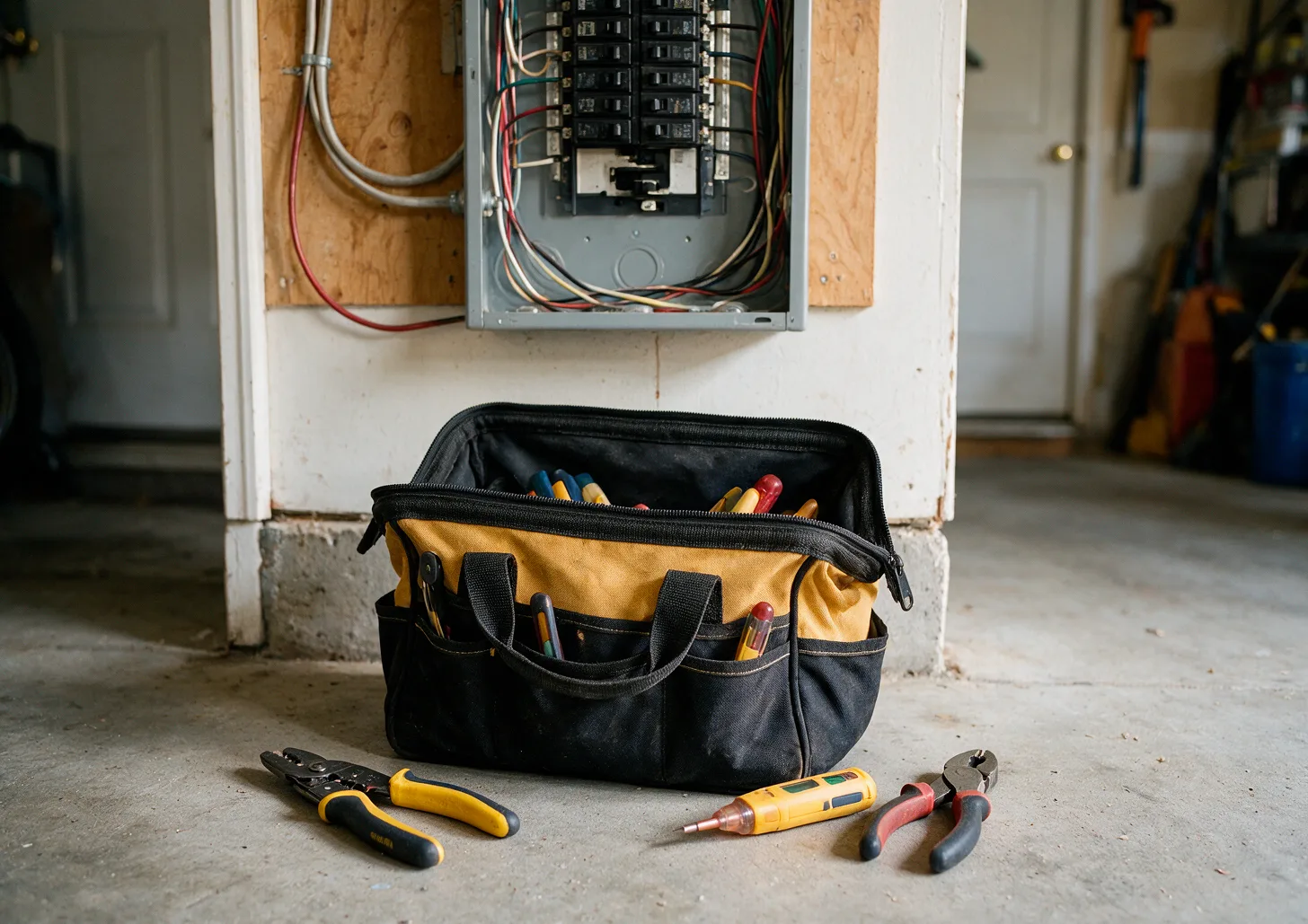
An electrician tool bag by a panel

How A Job Moves Forward

Simple Electric keeps each step straightforward so homeowners know what comes next and why each check matters before the next one starts.

  1. 1

    Phone Description

    The homeowner describes the symptom and which rooms are affected so the technician brings the right test tools and spare parts on the first visit.

  2. 2

    On Site Testing

    Voltage, amperage, and grounding get measured at the panel and at the outlets. This shows whether the problem is a loose connection, an overloaded circuit, or a failing breaker.

  3. 3

    Clear Explanation

    The technician explains the measured readings and the two or three ways the issue can be fixed so the owner can choose before any wire is cut or any breaker is replaced.

  4. 4

    Finish And Check

    After the repair every connection is torqued, covers are replaced, and voltage is rechecked under load to confirm the circuit now works without the original problem returning.

Work That Happens On Site

Technicians start at the panel with a voltage tester and clamp meter. They check each breaker under load, then follow the circuit to the affected outlets or lights. Any damaged wire gets replaced with the correct gauge and type so the repair matches the original installation standards.

After the fix they recheck voltage at the farthest point on the circuit. This confirms the line now carries the expected current without excessive drop and that the new connections stay tight under normal use.

Repair Or Replace Choices

When only one breaker or a short run of wire shows damage the technician replaces that section. If the panel has no spare spaces or the bus bars are corroded the whole panel may need replacement so future circuits can be added safely. The decision rests on measured load and visible condition rather than guesswork.

Homeowners receive a clear explanation of both options and the steps each one requires. The choice stays with the owner once the facts are on the table.

What Shapes The Cost

The final amount depends on how many circuits are involved, whether the panel needs more spaces or a full replacement, and the length of new cable runs required. Longer runs through finished walls take more time because the technician must fish cable without damaging drywall or insulation.

Material choices also matter. Copper wire, new breakers, and proper junction boxes add to the total while the labor stays the same for the same number of connections. Simple Electric lists each part and each step so the owner sees exactly what drives the price before work begins.

Older Homes And Rentals

Homes built before the 1980s often have undersized service or aluminum branch wiring. Technicians check the main lugs for signs of overheating and test each circuit for proper grounding before any new device is added. Repairs focus on bringing the existing system up to current load needs without full rewiring unless the measurements show it is required.

In rental properties the work centers on safety items such as smoke detectors and GFCI protection in wet areas. Simple Electric documents the changes so the property owner has a record of what was updated and where the circuits now terminate.

Electrical Repair & Licensed Electrician questions

How do I know if my panel needs an upgrade?

Technicians check the main breaker rating against the total amperage of appliances now in the home. If the panel has no empty spaces or shows heat marks on the bus bars an upgrade is usually the next step to add circuits safely.

Can I add an outlet myself?

Homeowners can replace an existing outlet with the same type after turning off the breaker. Running new cable or adding a box requires checking box fill, wire gauge, and grounding so the work stays within code limits.

Why does a breaker keep tripping?

The most common causes are too many loads on one circuit or a loose connection heating up. A technician measures the actual draw on the line and inspects the wire terminations to find which condition is present.

What is a dedicated circuit for?

It supplies one appliance such as a refrigerator or EV charger so other outlets never share the load. This prevents voltage drop and keeps the breaker from tripping when the appliance starts.

Do smoke detectors need special wiring?

Interconnected units share a signal wire so all detectors sound at once. The circuit also needs a constant hot and neutral so battery backup works if utility power is lost.

How long does wiring repair take?

Time depends on access to the damaged section and whether drywall must be opened. Simple splices in an unfinished basement finish faster than runs through finished walls that require fishing cable.

Electrical Repair & Licensed Electrician Across the USA

Simple Electric handles the checks and repairs that keep power steady in homes nationwide. Call to describe the issue and schedule a visit.

Call (833) 990-0417